M&B logo

Handling Headaches


"I consider the whole person - body, mind, emotions, and spirit - including life history, experiences and current lifestyle as part of one's capacity to heal."

- Jan Mundo


Handling Headaches


Handling Headaches


Handling Headaches
A Specialist's Self-Care Program

By Jan Mundo


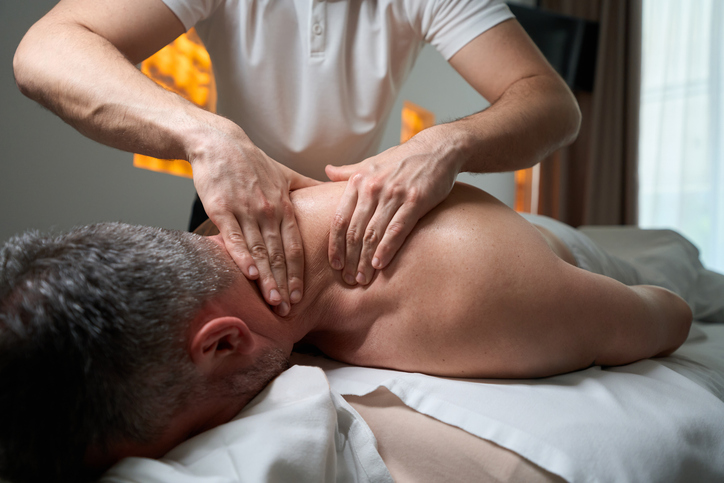
Alicia was wearing sunglasses as she entered my studio for her session — one of the telltale signs she had a migraine. Pale and unsteady, she said she felt nauseous, and her head was pounding. After a 30-minute, hands-on headache treatment, Alicia reported she felt better and her pain and other symptoms were gone. As the treatment “settled in,” her face regained its color, her energy level perked up, and her body became stronger and more steady. The remainder of the hour consisted of a somatic bodywork session that helped Alicia unwind and soften more of the tension she had been holding in her arms, neck, shoulders, upper back, and chest.

Like many chronic headache sufferers, Alicia’s migraines began in childhood and continued into her teens and young adulthood. Over the years, doctors managed them with a variety of medications, including those for pain, headache, nausea, depression, and seizures. She also used over-the-counter pain and sinus preparations. She’d tried chiropractic, acupuncture, herbs, nutrition, psychotherapy, and biofeedback, but was still plagued by headaches several times a week.

Now, at 30, her situation was complicated by repetitive strain injury that affected her hands, arms, neck, head, and shoulders. She had worked as an illustrator for many years, sitting at a desk for 10 hours a day. The situation contributed to persistent pain and numbness — even though she hadn’t worked for more than a year. During family gatherings, Alicia often felt sick and weak and retreated to a darkened room in hopes of falling asleep to escape her overwhelming symptoms. She had to curb her formerly active social and family schedule, and had become increasingly disheartened about the direction of her future. Although Alicia’s history was discouraging, after only 16 sessions of the Mundo Program, her headaches were gone and her health restored.

For more than 30 years, I have used my hands-on method to relieve headaches instantly. I also teach people to relieve and prevent their own headaches with mind/body self-care. This article provides a glimpse into the frustrating world of chronic headache sufferers, and offers suggestions for practitioners who want to help their clients overcome the pain and get relief quickly.1

The Headache Toll
Fifty million Americans have chronic headaches. Twenty-eight million of them — mostly women — get debilitating migraines. Besides the incalculable pain and suffering, the financial burden is staggering. Research studies show that employers and employees spend more than $1 billion each year on medical treatment for chronic headaches — a condition that costs business an estimated $13 billion in lost productivity due to inefficient and missed work.

Despite billions of dollars spent on research and treatment, the suffering of headache patients persists, and may continue to do so for decades. Because the underlying causes remain unaddressed, there’s little wonder why headache patients become increasingly frustrated in their pursuit of a cure.

Regular use of medications designed to manage the cycles of pain may often complicate the original headache syndrome, making it even more difficult to resolve. Reported side effects of medication may include dizziness, loss of appetite, nausea, vomiting, diarrhea or constipation, gastric bleeding, and sedation, not to mention an increased risk of stroke. Perhaps the most troubling consequence of regular medicine intake (which according to H.C. Diener is more than 15 times per month)2 is medication overuse, which may cause the patient to suffer rebound headaches, sometimes daily.

A Healing Path
My work with headaches began in 1970, when I intuitively developed a hands-on method for relief: I could place my hands on someone’s head (including my own), feel the headache, work with its sensations, and stop it cold on the spot. In medical terms, I could palpate, manipulate, and resolve a headache or migraine. Not surprisingly, I became a magnet for headache sufferers.

Twenty-one years later, I made the decision to devote myself to a life of healing. I realized that if I were to be successful, I would need to do two things: become a conscious observer of my own method and learn more about headaches. I began by transcribing my experience of touch to written word and discovered I had been working with the same cycle of sensations each time — that is, all headaches had a predictable course that could be felt, altered, and released, and at each stage there were subtle, identifiable cues that, when complete, signaled relief for the client. I translated this protocol into written instructions for self-application and tested them on people with a history of migraines to see if the instructions worked. I found my informal test subjects were indeed able to relieve their headaches independently.

Now that I knew my method worked, I began educating myself about headaches and training in touch, health, and healing. I researched the consumer and medical literature for the reported symptoms and causes of headaches. I became a certified massage therapist and trained in a variety of modalities, including energy work, intuitive development, breathwork, qi gong, vipassana (or mindfulness meditation), and core shamanism. I was certified in Body-Centered and Conscious Relationship Transformation from the Hendricks Institute, in Ojai, Calif., and as a Master Somatic Coach from Strozzi Institute, in Petaluma, Calif.

I received my first clients in 1992 from a University of California at Los Angeles neurologist. Based on her follow-up comments that clients were able to successfully relieve but not prevent their headaches, I was inspired to design a program for both relief and prevention. I developed a mind/body, self-care program to specifically address the shortcomings of conventional medical treatment and as a response to clients suffering from years of pain, stress, tension, fear, and frustration. Since then, I have taught hundreds of people how to naturally find and eliminate the underlying causes of their headaches and migraines, along with methods to alleviate their pain and related symptoms. The Mundo Program for self-care has been offered to clients through health maintenance organizations, medical centers, universities, and corporations.

“A preliminary, retrospective study conducted in October 2000, and later published in abstract form in the international headache journal Cephalalgia (May 2001), demonstrated the benefits of the Mundo Program to clients and its potential cost-effectiveness for healthcare organizations (Wilson, 2001).3 The study describes 78 migraine patients who completed my six-week program, which included identification and elimination of headache triggers, body-centered awareness, and breathing and therapeutic hands-on techniques. The participants had a median of 19 headache years. Researchers found a 41 percent reduction in the number of headaches and a 52 percent reduction in abortive medications. Ninety-seven percent reported they felt more in control and had greater understanding of their headache pattern.”4

Types of Headaches
What can you do when your client presents with a headache? First, you can ask some questions: Do you get headaches regularly? Are you under a doctor’s care for them?

All of my headache clients have been diagnosed by and have been, or are, under the care of a physician, and usually a neurologist. It is essential they get a diagnosis to rule out any serious causes. Because chronic headache patients have been dealing with pain for years and seen many practitioners and specialists, “dangerous headaches” have been ruled out. However, chronic patients need to pay attention to any sudden changes in their headaches.

Following are brief descriptions of six major headache types — dangerous, cluster, tension, migraine, mixed, and rebound (or chronic daily). In each case, I offer a general course of action from a mind/body perspective.

Dangerous Headaches. Fortunately, most headaches are not dangerous. That is, they don’t have a physical or organic cause, such as a tumor, meningitis, or an aneurysm. However, if your client complains of a headache, the likes of which she’s never experienced before, ask where it’s located and how it feels. Also ask, is it:

• The first one ever?

• The worst one ever?

• Noticeably different from your usual headaches?

• Accompanied by high fever, aches and pains, earache, dizziness, or fainting?

• A result of head trauma or overexertion?

If the answer is “yes” to any of the above, advise your client to get checked out by her physician immediately.

Cluster Headaches. Cluster headaches — the least common — arrive in clusters several times a day, for several days or weeks at a time, and then disappear for six months, a year, or more. Symptoms include stabbing sensations in one eye, accompanied by tearing in the eye and same-side nostril, and agitation. Research suggests that oxygen therapy (breathing a prescribed, higher concentration of oxygen via a bottle) may help.

Tension Headaches. Tension headaches — the most common — are characterized by tension, soreness, and pain in the neck, shoulders, head, and face. They can feel like a tight hatband, with sensations of pressure, gripping, and/or burning. In many instances, relief can be produced by one or more mind/body modalities, such as exercise, hot/cold pack application, meditation, breathing, qi gong, yoga, stretching, massage, and bodywork.

Migraine Headaches. Migraines are often disabling. Beyond pulsing and pounding in your head, they permeate your entire being with inescapable feelings of misery, usually punctuated by combinations of nausea, vomiting, mood, and visual, smell, and sound disturbances. They can last for hours, days, or weeks. Migraine sufferers need quiet, calm, still, dark surroundings and respond really well to lifestyle modification, including diet, bodywork, and stress-reduction practices.

Mixed Headaches. Most of my headache clients have mixed headaches, which combine the worst characteristics of tension and migraine headaches. They get pulsing, pounding head pain, accompanied by nausea, mood, and sense disturbances, along with sensations of tension, numbness, and/or “stuck” pain in the neck, shoulders, and lower skull area. Mixed headaches respond to a combination of the solutions for both migraine and tension headaches.

Rebound or Chronic Daily Headaches. With rebound headaches, the remedy becomes worse than the affliction. By using medications — often and over time — that are meant for short-term use, the body builds tolerance to their presence and responds with a headache when they wear off. This reaction is especially prevalent with caffeine and caffeine-containing drugs, including those sold over-the-counter. Clients should seek their physician’s help to taper off of the medications. A program that addresses healthy lifestyle can diminish the need for medication.

A Somatic Approach
Instead of a treatment regimen that includes medications, I’ve found a somatic approach to transformation. I consider the whole person — body, mind, emotions, and spirit — including life history, experiences, and current lifestyle as part of one’s capacity to heal. Everything counts, and every body tells a story. Somatics, derived from the Greek word soma, means the living body in its wholeness. We are more than just our flesh and bones: Our body holds, reflects, and is an expression of the life that shaped it. Somatic Coaching, pioneered by Richard Strozzi-Heckler, Ph.D., is a process of becoming aware of, and working with, the whole self in order to develop one’s full potential.

Many people in our busy society live in their heads, feeling separated from the rest of their body. They may use the body for a prescribed exercise or diet program, but otherwise they tend to ignore it. Using a somatic approach, longtime headache sufferers learn to become co-creators of their healing process and are able to achieve long-lasting results without side effects. The process brings people back to themselves — often a large part of the cure. They are able to connect what is happening in their body with their daily existence.

In a somatic awareness program, the treatment is the process. Learning to observe your body and connect to it, you learn intimately how what you do affects how you feel and vice-versa. When learning both relief and prevention, practitioners can develop subtle, yet acute observational and tactile skills to assess and shift their own, as well as their clients,’ posture, language, mood, voice, and breath, and also the “felt qualities” of muscle, fascia, skin, and bone. By cultivating a centered presence through mind/body practices, we can embody the health we want to produce for our clients, providing them with a living example and making their ineffective patterns visible.

General Guidelines
The Mundo Program teaches clients to pay close attention to themselves and the things they do every day that might be contributing to their headache patterns. It may seem simple, but helping your clients modify some habitual patterns may help them resolve their chronic headaches. The following considerations apply to working with all types of headaches.

Environment. Design a calm, quiet, “neutral” environment that promotes feelings of safety and comfort. Keep the room temperature warm so muscles don’t contract. Use soft, indirect, natural, or incandescent lighting. Decorate with muted colors. Don’t use scents, perfume, incense, essences, or scented oils. Migraine and mixed headaches produce hypersensitivity in people who may ordinarily tolerate their surroundings without a care.

Ask Questions. Use an engaging, uncritical curiosity in the process of questions, answers, observations, assessments, and client self-reporting. Notice how the pain and other symptoms shift during the process. Ask your client about the headache: Where is it? How long have you had it? What does it feel like? Do you have other symptoms? What do you think may have caused it? For instance, have you been eating and sleeping well? How’s your stress level?

Be Gentle. Headaches, especially migraines, are an animal unto themselves and require a subtle approach that eases the tissue out of its conventional holding patterns. The general rule in treating all headache types is: Enter and move extremely slowly and gently, while “listening to the tissue.” For tension headaches, loosen what’s tight, stuck, still, or immobile. For migraines, quiet, still, or calm the pounding, pulsing sensations.

Breath. Observe your client’s breathing by noticing the rise and fall during a deep breath. There’s a 99.9 percent chance it will be found high in the chest, engaging tension in the neck and shoulders. Keep bringing your and your client’s awareness back to the breathing. Is it slow, fast, deep, shallow, high, or low in the body? Guide her toward bringing the breath down, lower in the body, way down into the lower abdomen, so it rounds out like a balloon with each in-breath.

Posture. Seat the client in a straight-backed chair, feet flat on the floor, hip distance apart. This position allows you to touch, assess, and begin to loosen tight shoulders, neck, and head, and helps the client establish centered breathing. Assist with vertical alignment of head, neck, shoulders, and hips with verbal and touch cues to address slouching, the head carried forward, or chin tilted up. Poor posture contributes to headaches through strain on the upper back, neck, and shoulders. For migraine, keep the client seated; for tension headache, have the client lie down.

Listen. All of the guidelines detailed here are ways of listening to your client’s body. You can also listen to language, tone of voice, mood, and attitude. Is it consistent with what she reports and you observe about her body? Keep your language neutral and avoid making judgmental comments about your client’s situation. Be compassionate, yet steer clear of supporting your client as a victim of circumstance, without negating her experience. Establish trust and exude centered calmness to counteract the fear and panic that arises when people deal with chronic pain.

Prevention Tips
Give your clients gentle reminders to promote headache-free health, such as “remember to eat food and drink water,” “slow down,” “address your stress,” and “enjoy and acknowledge your success.” How easily we all forget.

It’s amazing to see the immediate and long-term effects of bringing people in touch with their bodies and selves. Within minutes, the symptoms and indicators of pain that read out in skin color and tonicity, mood, posture, tension, and holding can reverse and change their course, as my client walks out the door relieved and ready to meet the world once again.

References
1 Parts of this article are excerpted from Mundo’s chapter, “Conquering Chronic Headaches: Somatic Self-Care for Transforming Pain,” in the anthology Being Human at Work: Bringing Somatic Intelligence into Your Professional Life, edited by Richard Strozzi-Heckler, Ph.D. (North Atlantic Books, August 2003). (For more information about this text, see this issue’s New Products section, page 119.)

2 Diener, H.C. Medication overuse. 2001 May;21 (4): 278. Conference abstracts of the 10th Congress of the International Headache Society: IHC 2001.

3 Wilson, T., Keller, K., McCloud, F., Mundo, J., and Lee, C.A. The cost effectiveness of a prophylactic migraine programme as contrasted to pharmacological migraine treatment. Abstract, Cephalalgia 2001 May;21 (4): 368Ð69. Conference abstracts of the 10th Congress of the International Headache Society: IHC 2001.

4 Strozzi-Heckler, Richard. p. 215.

Jan Mundo, C.M.S.C., C.M.T., has a somatic coaching, bodywork, and headache healing practice in Berkeley, Calif. She offers a professional training program and is writing a self-care, how-to book on healing headaches. For more information, contact her at 510/559-9308 or visit www.headachehealing.com.

Share your thoughts! Click here to send a letter to the editor and let us know what you think. Your letter may be used in an upcoming issue of Massage & Bodywork magazine.


Please close window after reading.


M&B logo ©2003 Associated Bodywork & Massage Professionals. All rights reserved. No portion of this website may be reproduced, stored in a retrieval system, or transmitted in any form by any means, electronic, mechanical, photocopying, recording, or otherwise, without prior written permission from ABMP.